
Legal & Navigation Services
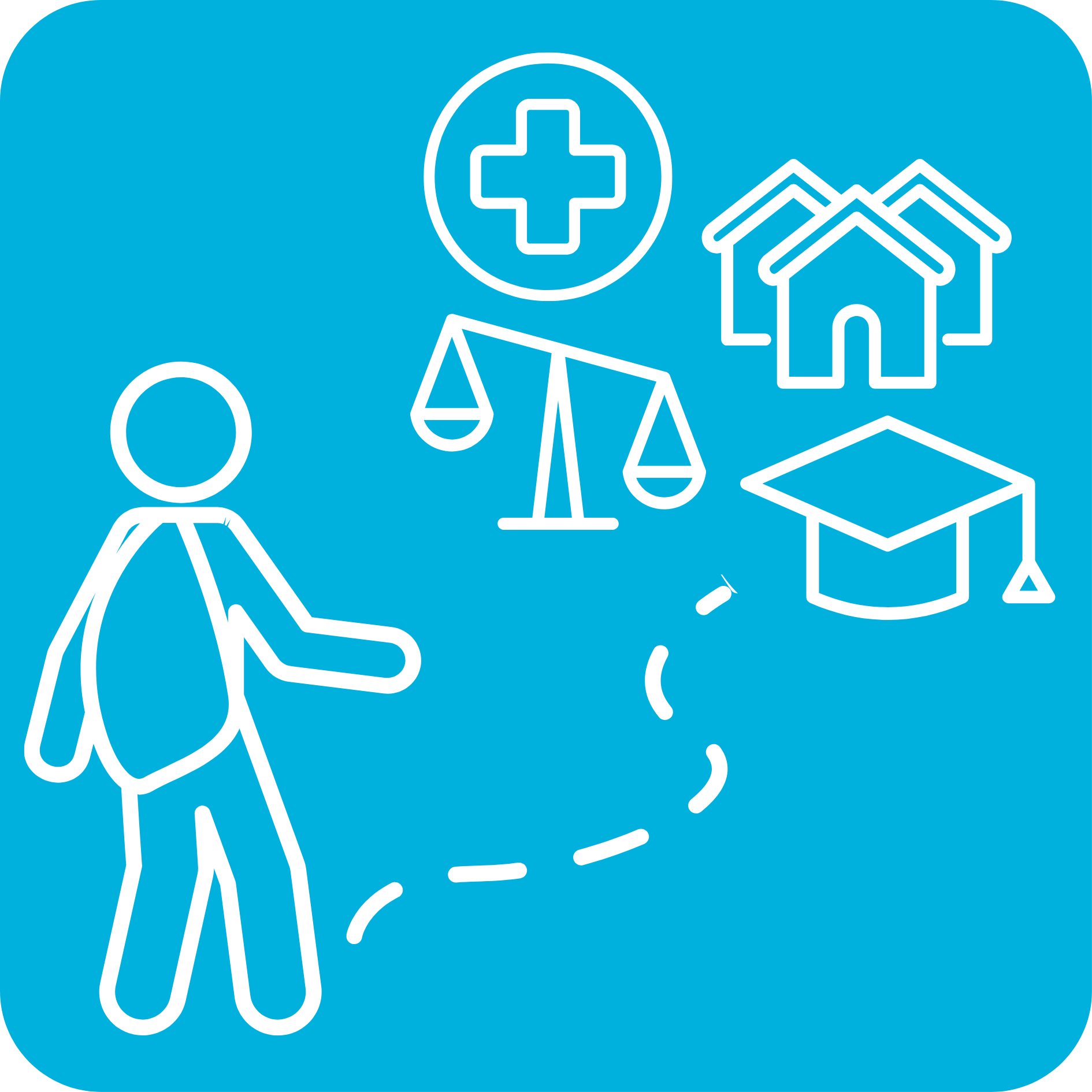
Do you need help understanding or regularizing your immigration status?

Workshops
Are you interested in workshops about migration, youth rights, social justice, and more?

Systems Change
Do you want to learn about our systems change and advocacy projects?
About Us
The Childhood Arrivals Support and Advocacy Centre of Canada (CASA) supports young people who were brought to Canada as children and are living in Ontario with precarious or no immigration status (sometimes referred to as “undocumented” or “non-status”). CASA supports clients to understand and navigate the options available to them to regularize their immigration status, while connecting them with services and education to assist in pursuing their personal goals. At the same time, CASA engages in systemic advocacy to change attitudes, policies and laws that create barriers for young people with no or precarious immigration status.
Legal and Navigation Services
CASA helps young people understand their rights, responsibilities and options as they work towards regularizing their immigration status in Canada.
We provide young people with legal information, advice, referrals and representation to help regularize their immigration status in Canada. While they are going through this legal process, we provide support and guidance so that young people can make their own decisions and pursue their priorities.
Issues CASA may be able to help with:
- Understanding your immigration/citizenship status
- Understand available options to regularize your status
- Connecting to a lawyer for ongoing legal representation
- Finding accessible and appropriate social services
- Understanding your rights and options if your immigration status is creating barriers to services like school, healthcare or housing
Who is eligible?
- People under the age of 25 years
- Living in Ontario
- Arrived in Canada as a child or youth
- No or temporary immigration status in Canada
- No or low income
All services are free and confidential. Interpretation services are available.
Educational Workshops
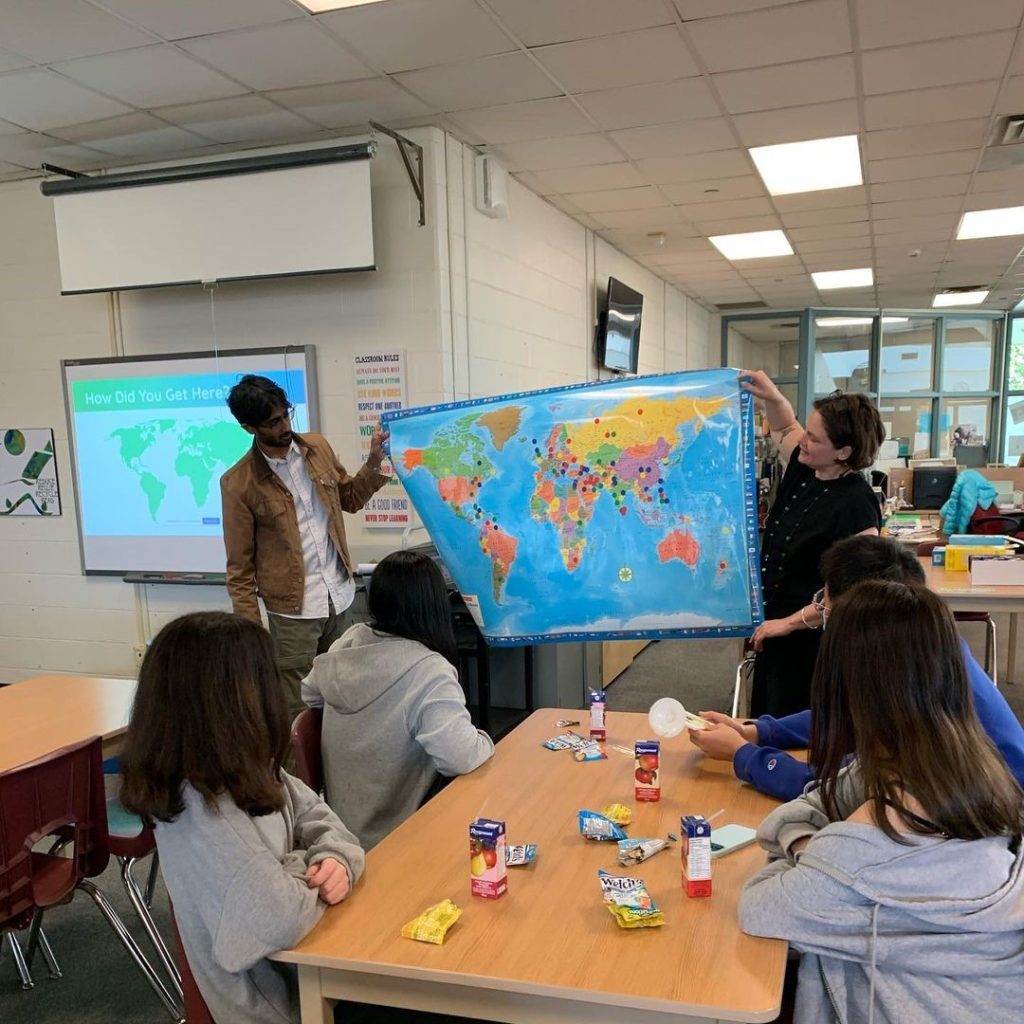
CASA facilitates free in-person and online workshops on youth rights, social justice, allyship, barriers young people with precarious or no immigration status face, relevant laws, and creating more equitable and inclusive spaces for young people without immigration status.
Who are the workshops for?
- Young people in high school classrooms and community settings. CASA workshops are designed to benefit all participants while sharing important resources and information for those without immigration status. Our workshops are Ontario curriculum-linked and can be tailored for specific groups.
- Adults working with young people including teachers, guidance counsellors, principals, youth workers, settlement workers, shelter workers, and community leaders.
- Lawyers, paralegals and advocates working with young people.
Creating Better Systems
Laws, policies, and discriminatory attitudes put many obstacles in the way of youth and young adults residing in Canada with precarious or no immigration status. We know there are alternative policies and practices that would advance the wellbeing and human rights of these young people. So while we work with individuals to regularize their status, we are simultaneously active in research projects, awareness-raising, and nonpartisan campaigns working to change the systems that exclude and limit youth, migrants and racialized people.
Priority issues:
- Enabling youth to make independent, fully-informed decisions
- Equitable access and full participation in public K-12 education
- Postsecondary access for students with precarious immigration status
- Immigration pathways and policies that centre children’s rights
- Advancing equality and justice for youth, migrants and racialized people
Research on Education Experiences
CASA has partnered with Dr. Arlo Kempf of the Ontario Institute for Studies in Education of the University of Toronto (OISE) on the SSHRC-funded research project “Educational Experiences of Youth with Precarious Immigration Status in the Greater Toronto Area.” This research will help us better understand and address the educational realities of youth with precarious or no immigration status, and improve our ability to support them with educational processes.
CASA in the Media
- Supporting Students with Precarious Immigration Status, ETFO Voice, Fall 2026
- The Art of Becoming Invisible: How Students with Precarious Immigration Status Navigate Educational Systems, Canadian Association for the Practical Study of Law in Education Monthly Article, Volume 2, No. 08, August 2025
- The violence of uncertainty: Everyday impacts of precarious immigration status, Toronto Metropolitan University Borders & Belonging Podcast, April 8, 2025
- Who Are Ontario’s Undocumented Youth? The Agenda with Steve Paikin, May 30, 2024
- Invisible Lives: Meet Canada’s Undocumented Kids, The Walrus – Society, Feb 2, 2024
- Why aren’t these kids in school? The Toronto school board says they need a document — to prove they’re undocumented, Toronto Star, Jun 16, 2023
- Innovative program assists ‘dreamers’ in Ontario, Canadian Lawyer, Oct 19, 2021
- Pitching in: Helping young immigrants get the education they need, Globe and Mail, Oct 8, 2021
- Broadening access to post-secondary education, Canadian Bar Association National, Sept 24, 2021
- Canada’s Dreamers and their Precarious Future, Toronto Star – Podcast, Aug 4, 2020
- Access to a University Degree a Must for Canada’s Dreamers, Toronto Star, Aug 3, 2020
- She’s One of Canada’s Dreamers, They Said she had Limitless Potential but now her Future is on Hold, Toronto Star – Investigations, Jul 25, 2020
- There’s No Celebrating for Canada’s Dreamers, Toronto Star – Editorial, June 28, 2020
- Dreamers in Canada Need Protection Too, Toronto Star – Opinion, Jun 23, 2020
Funding
CASA is supported by The Law Foundation of Ontario, Friends of CASA, and other generous supporters.
To make a financial or in-kind donation, please contact us.
Contact Us
Address
Childhood Arrivals Support and Advocacy Centre of Canada (CASA)
1240 Bay Street, Suite 600
Toronto, Ontario M5R 2A7
Please note that walk-in services are generally not available.
Contact Information
- Phone: (647) 557-9262
- Email: info@casacentre.ca
How to contact CASA for an intake
You can call our phone line to complete an intake or email us at info@casacentre.ca to schedule an intake.
Note: Our first step is always an intake. We do not provide legal advice over email.
Intake Hours
Tuesday, Wednesday, Thursday
- 9:00 AM – 1:00 PM
- 2:00 PM – 5:00 PM
If you call outside our intake hours, our intake lines will be closed, but you can leave a voicemail. Make sure you leave your first name and tell us how we can contact you.
What to expect when you contact CASA
If you’re a young person reaching out to CASA, we’re here to support you.
On your intake, our intake worker will guide you through a 30-minute intake conversation to help us understand:
- Who you are
- Why you’re reaching out
- What kind of support you’re looking for
During your intake we’ll schedule a call-back (between 30-60 minutes) with a CASA Lawyer and Navigator.
- Call-backs provide free legal advice and help you explore your options.
- Call-backs can be done by phone, video meeting, or in-person (at our Toronto office).
Information you provide us with is confidential, including during intake and call-back. We won’t tell anyone you have contacted us.
Workshops
To request a workshop, please click here to complete our workshop request form.